
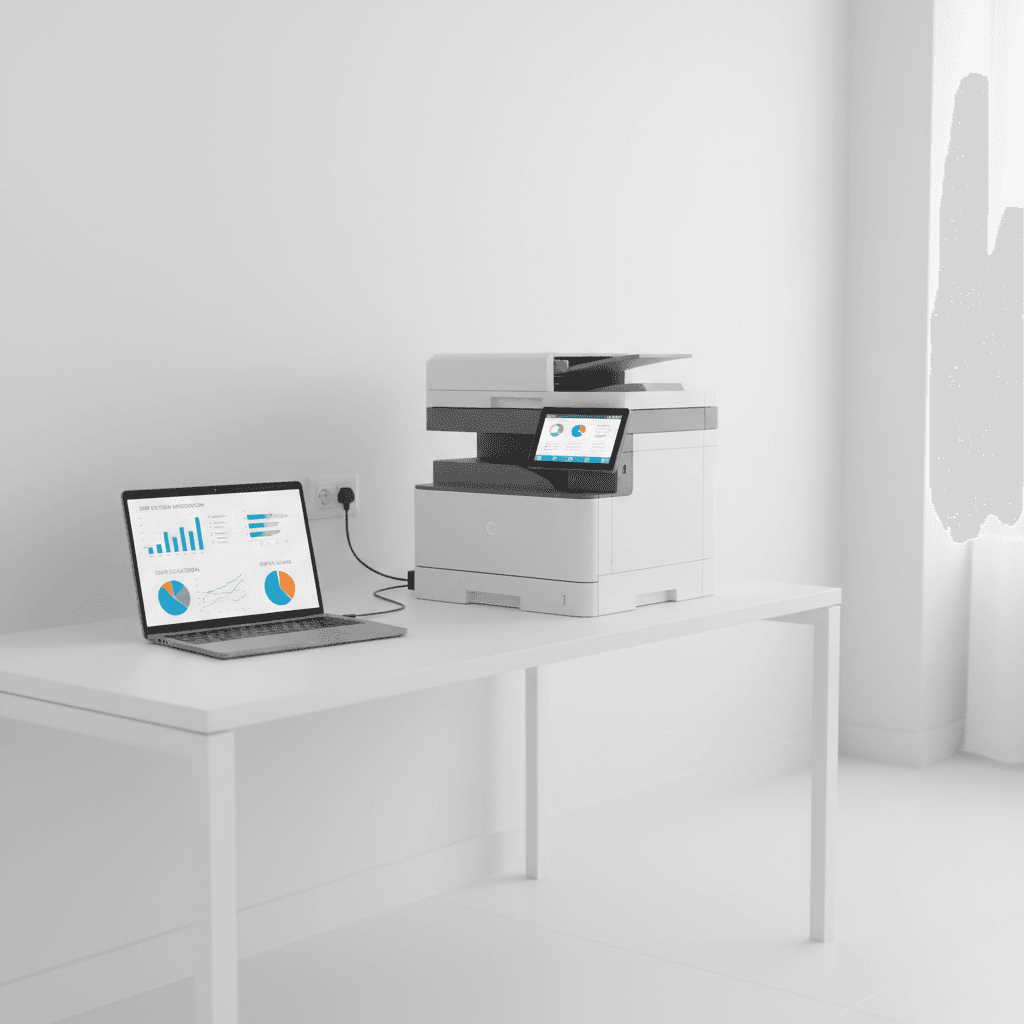
How to Integrate Print Devices with ERP Systems for Efficiency
Introduction
Modern businesses in Pakistan are increasingly adopting Enterprise Resource Planning (ERP) systems to streamline operations. Integrating print devices with these systems allows for automated document generation, improved tracking, and reduced manual intervention in administrative tasks. This synergy is essential for maintaining a competitive edge in data-driven environments.
Main Discussion
- Automated Document Generation: By linking multifunction printers (MFPs) to ERP modules, businesses can automate the printing of invoices, shipping labels, and purchase orders directly from the system, eliminating manual data entry errors.
- Secure Pull Printing: Integration allows for secure print release, where documents are only printed once a user authenticates at the device using ERP-linked credentials, ensuring sensitive corporate data remains protected.
- Centralized Fleet Management: Connecting print hardware to an ERP enables real-time monitoring of toner levels and mechanical health across multiple branches, allowing for automated maintenance requests and supply replenishment.
- Cost Allocation and Tracking: ERP integration provides detailed analytics on print usage per department or project, allowing management to identify high-cost areas and implement effective paper-saving policies.
Why It Matters
For Pakistani enterprises, especially in the manufacturing and logistics sectors, this integration minimizes operational bottlenecks and optimizes the lifecycle of expensive hardware. Reducing paper waste and automating clerical tasks allows staff to focus on core business growth while ensuring that every printed page is accounted for in the company's financial records.
Contact
Contact us: +92 332 2805280
Follow Us on TikTok
Check out our latest videos, product demos, and behind-the-scenes content
Follow Us on Facebook
Stay updated with our latest news and community updates