
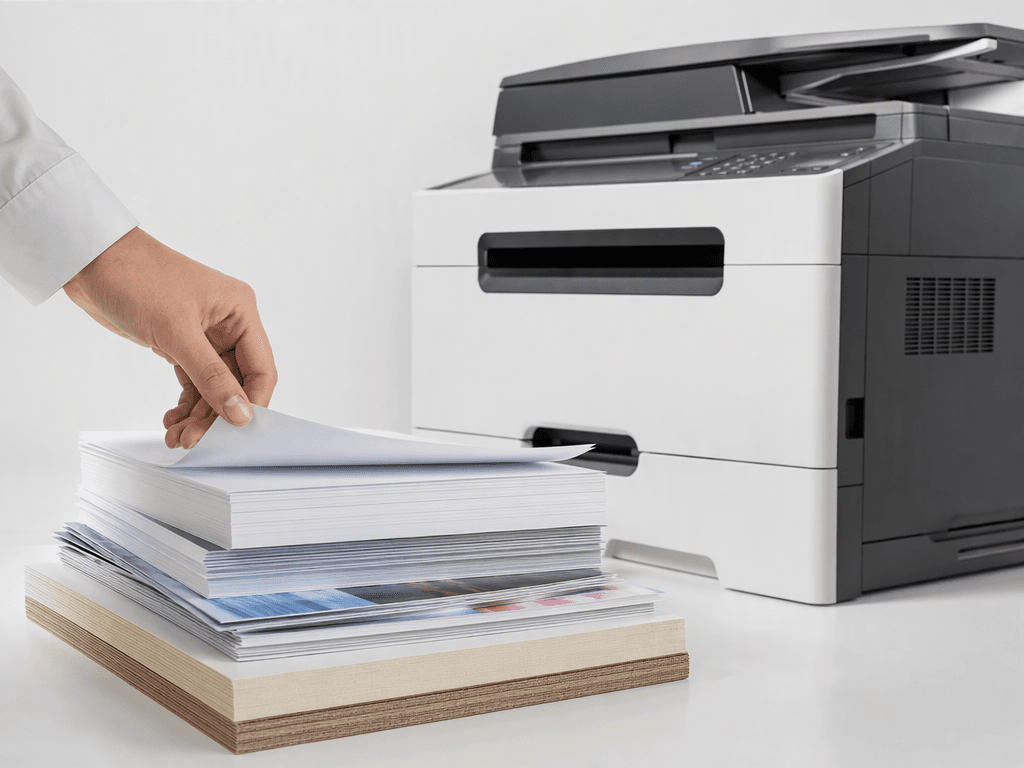
Mastering Your Prints: How to Select the Right Paper for Your Printer in 2026
Introduction
Choosing the right paper for your printer or photocopier is more than just a minor decision; it's a critical factor that impacts print quality, machine longevity, and overall operational efficiency. In the bustling business environment of Pakistan, where every detail counts, selecting the appropriate paper can significantly elevate your professional output. This guide will help you navigate the various paper options available, ensuring your documents always make the best impression.
Main Discussion
1. Understanding Paper Weight (GSM)
Paper weight, measured in Grams per Square Meter (GSM), is crucial. Standard office paper (70-80 GSM) is ideal for everyday printing and high-volume photocopiers, offering a balance of cost-effectiveness and functionality. For professional reports, presentations, or brochures, a heavier stock (100-120 GSM) provides a more substantial feel, compatible with most laser printers. For covers or business cards, cardstock (160+ GSM) is used, but always check your printer's maximum paper weight capacity to prevent jams and machine wear.
2. Paper Type and Finish
The type of paper and its finish significantly affect the final print. Uncoated or bond paper, with its matte finish, is versatile for text-heavy documents and widely used in both inkjet and laser printers/copiers. Coated papers, such as glossy or matte, offer a smoother surface for vibrant colors, perfect for photos or marketing materials (often specific to inkjet printers for best results). Specialty papers like labels or transparencies require careful selection to match your printer's technology (inkjet vs. laser) for optimal adhesion and print quality.
3. Brightness and Whiteness
Paper brightness, typically measured on a scale of 0-100, indicates how much light is reflected from the paper. Higher brightness (e.g., 92-98) results in sharper text and more vivid colors, making it ideal for professional documents, proposals, and marketing materials where a crisp, clean look is paramount. Whiteness refers to the shade of white, influencing the overall aesthetic. For impactful business communications, opting for brighter, whiter paper can significantly enhance readability and visual appeal.
4. Printer Compatibility (Inkjet vs. Laser/Copier)
Matching the paper to your printer's technology is non-negotiable. Inkjet printers use liquid ink, requiring paper that absorbs ink without bleeding or feathering; specialty inkjet papers often have coatings to achieve this. Laser printers and photocopiers use toner (powder) and heat, necessitating paper that can withstand the fusing process and allow toner to adhere properly. Using the wrong paper can lead to poor print quality (smudging, fading) and potentially damage your valuable equipment.
5. Environmental and Cost Considerations
While quality is key, environmental impact and cost also play a role. Recycled paper has improved significantly in quality and is an excellent eco-friendly option for many office tasks. For cost-effectiveness, bulk purchasing standard office paper can lead to considerable savings. However, strategically investing in higher-quality paper for critical, client-facing documents can significantly enhance your professional presentation, balancing budget with sustainability and quality needs.
Why It Matters
For businesses and offices across Pakistan, selecting the correct paper is not merely about aesthetics; it's a strategic decision. Using the appropriate paper ensures your documents project professionalism, enhancing your brand image in every interaction. It also significantly extends the lifespan of your valuable photocopiers and printers by preventing jams, reducing wear and tear, and ensuring optimal performance. Moreover, correctly chosen paper can lead to considerable cost savings by minimizing misprints and the need for reprints, contributing to a more efficient and sustainable operation. Invest wisely in your paper choices to safeguard your equipment and elevate your business's output.
Contact
Contact us: +92 332 2805280
Follow Us on TikTok
Check out our latest videos, product demos, and behind-the-scenes content
Follow Us on Facebook
Stay updated with our latest news and community updates